
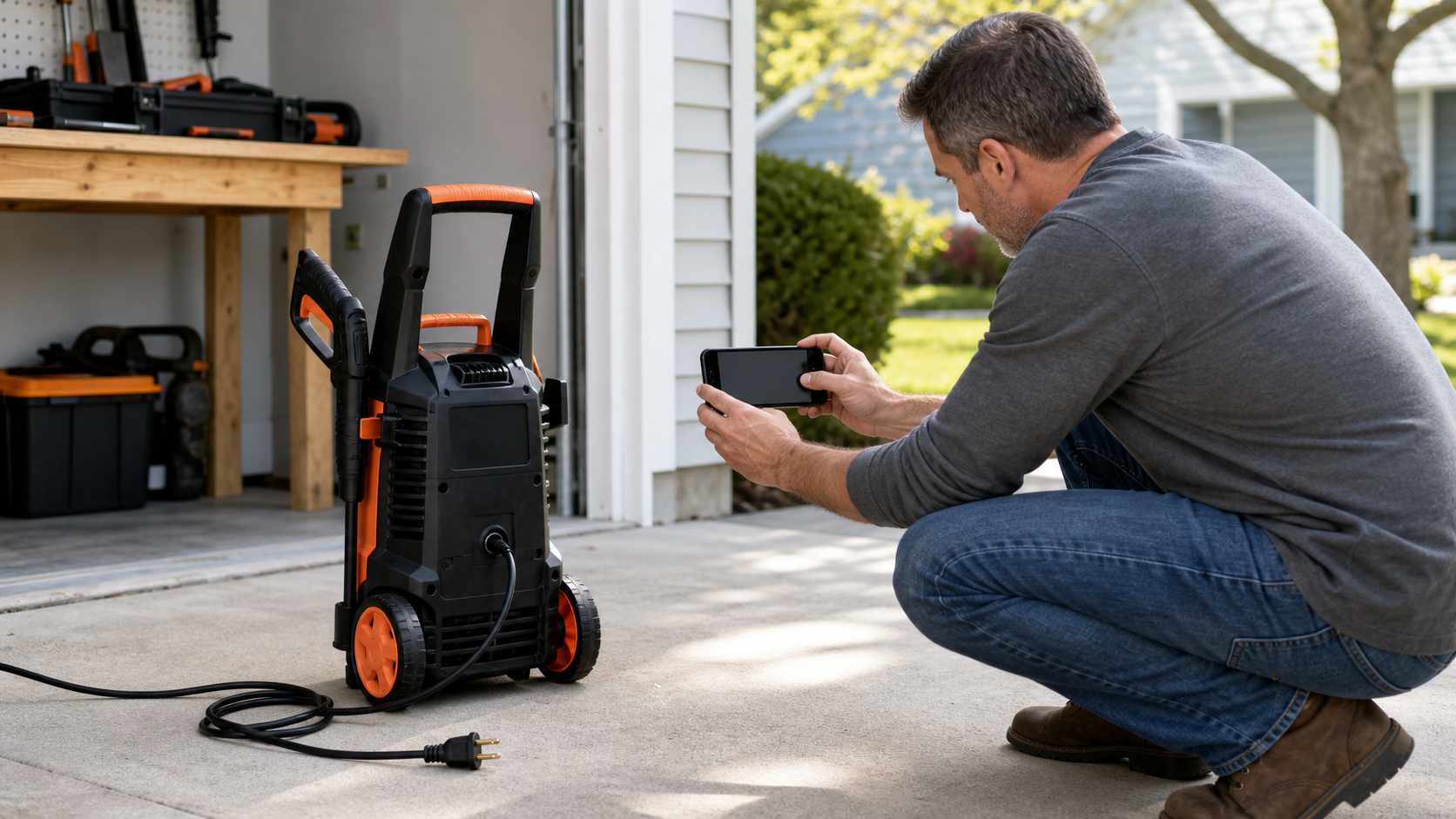
COMMOWNER Pressure Washer Recall: Check HD14P-Z and HX18 Before Use
CPSC says 1,694 COMMOWNER electric pressure washers lack an integral GFCI. Stop use, verify the rear label, and contact the importer for a refund.
Read guideFixMate repair library
Diagnose the problem, understand the safest next step, and know when a repair belongs with a licensed professional.
Original FixMate explainers, reviewed against the sources listed on each page.

CPSC says 1,694 COMMOWNER electric pressure washers lack an integral GFCI. Stop use, verify the rear label, and contact the importer for a refund.
Read guide
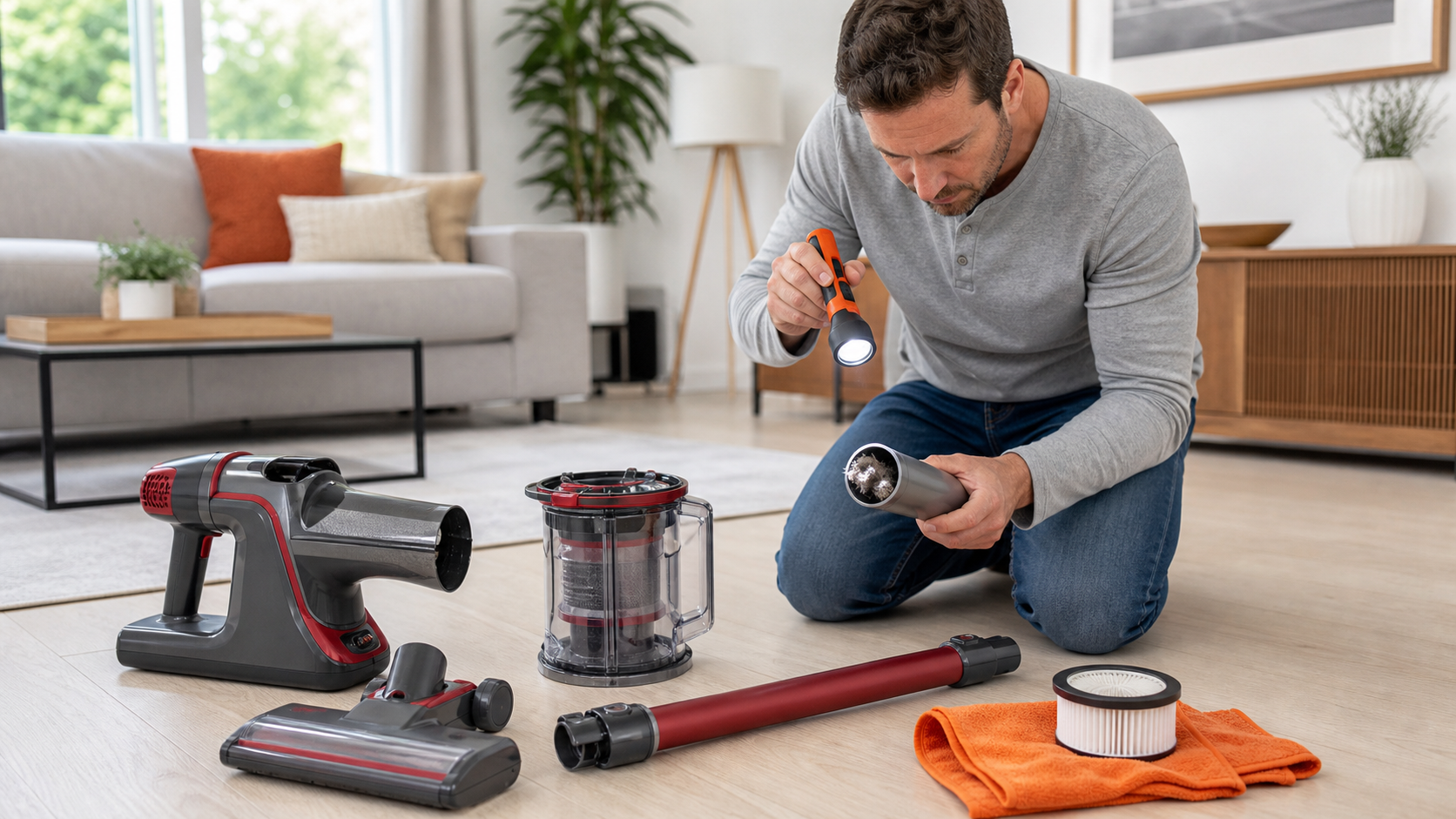
Dyson identifies pulsing as an airflow-restriction warning. Empty the bin, isolate each air-path section, and wash only the filters your exact V8 manual identifies.
Read guide
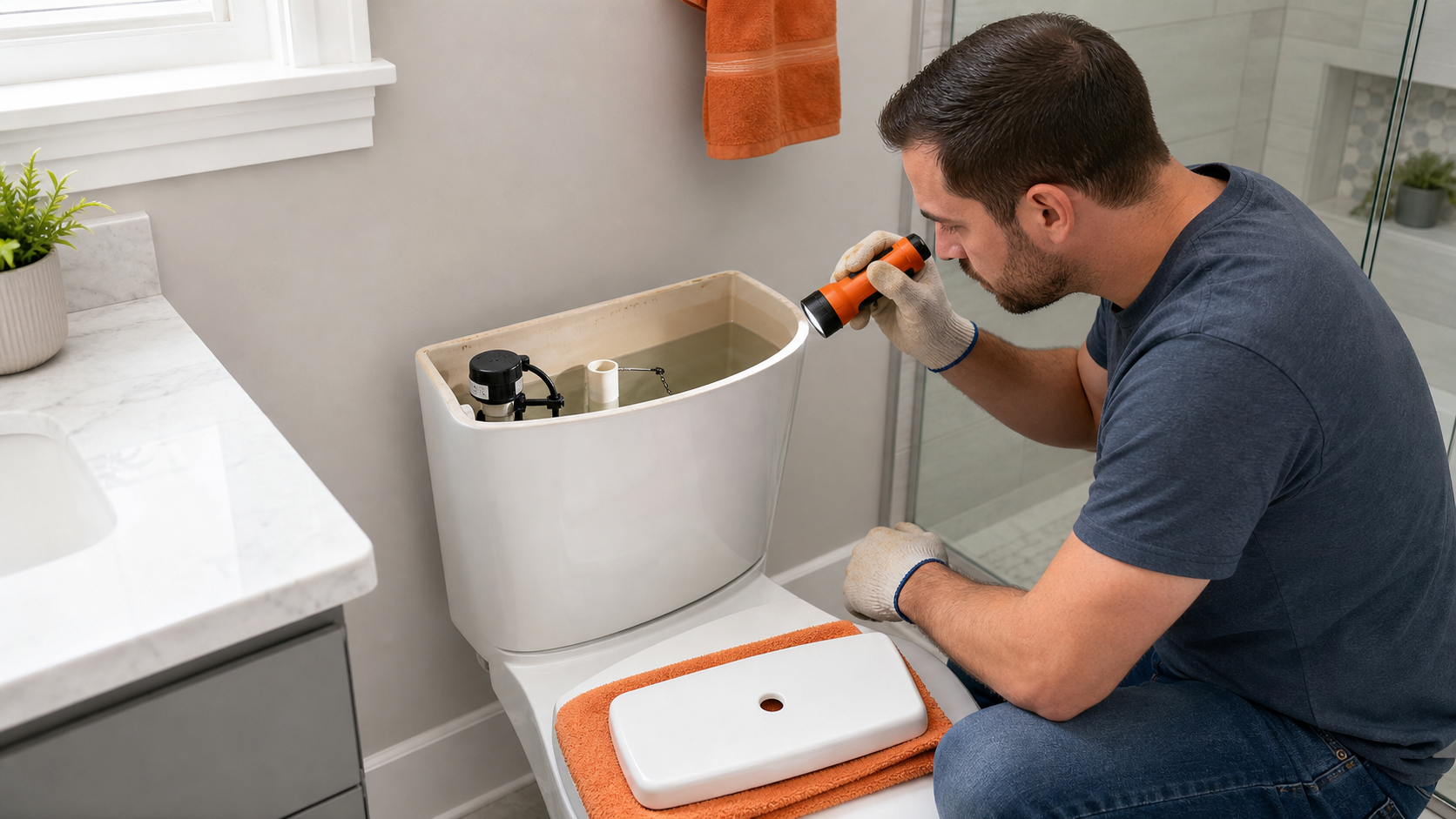
A weak flush can begin in the tank, bowl rim, trapway, waste line, or vent. Use the flush pattern to narrow the cause without mixing cleaners or opening the drain system.
Read guide
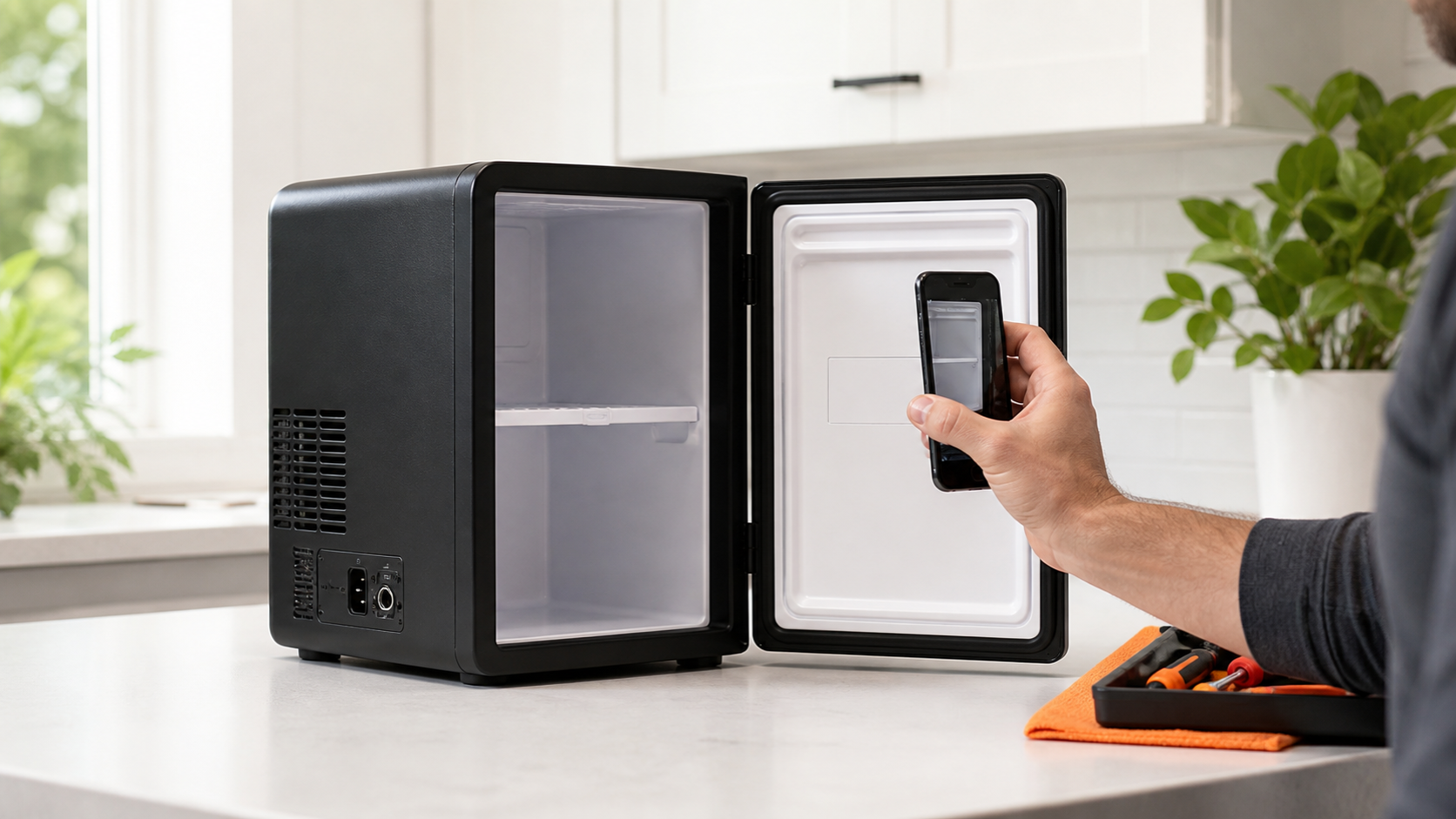
About 250,000 Cooluli minifridges are under recall. Stop using affected units and verify the label through Cooluli before following the remedy instructions.
Read guide
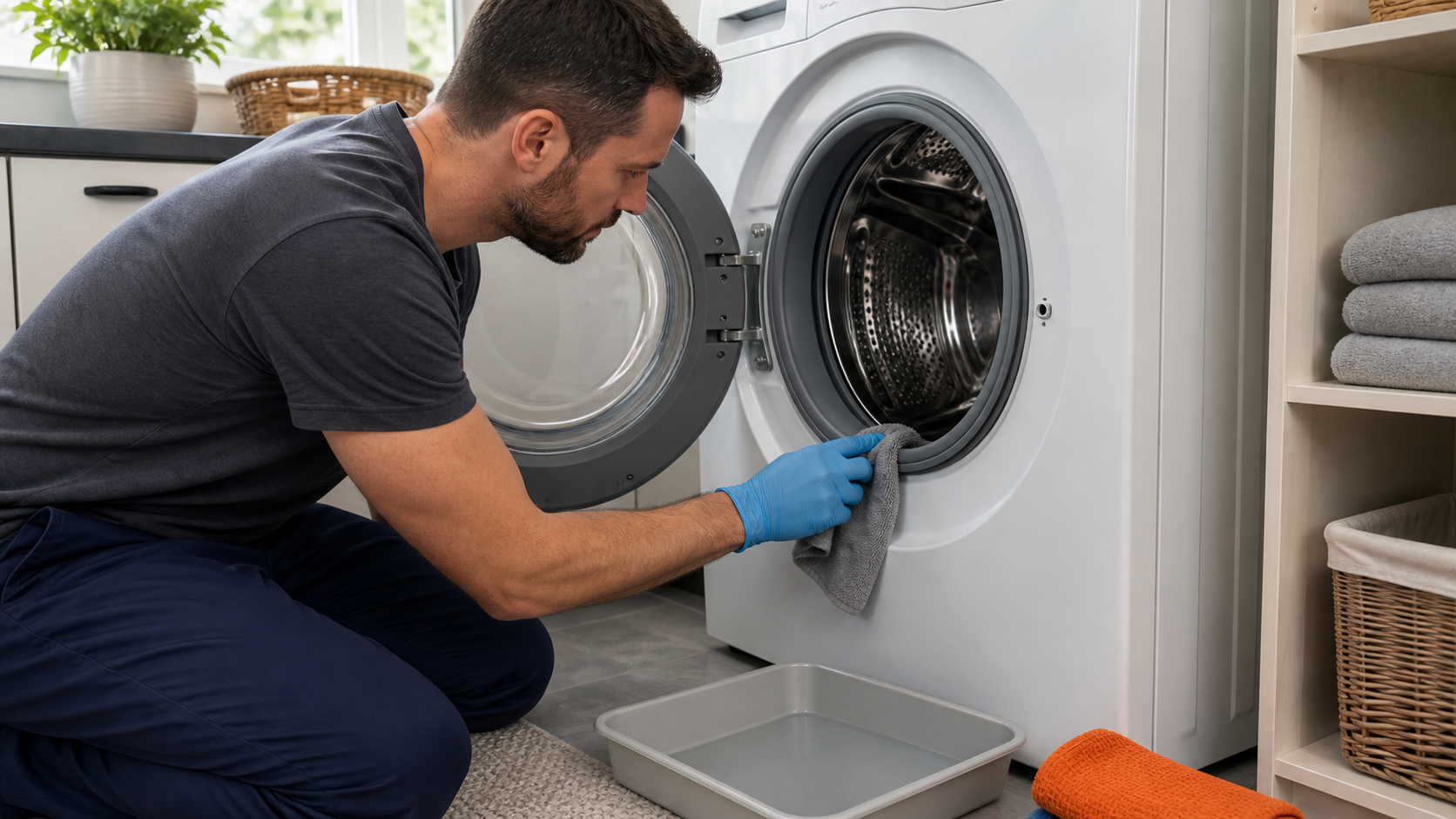
Odor often survives a quick wipe because residue can collect in several places. Work from the door seal to the pump filter and Tub Clean cycle without mixing cleaners.
Read guide
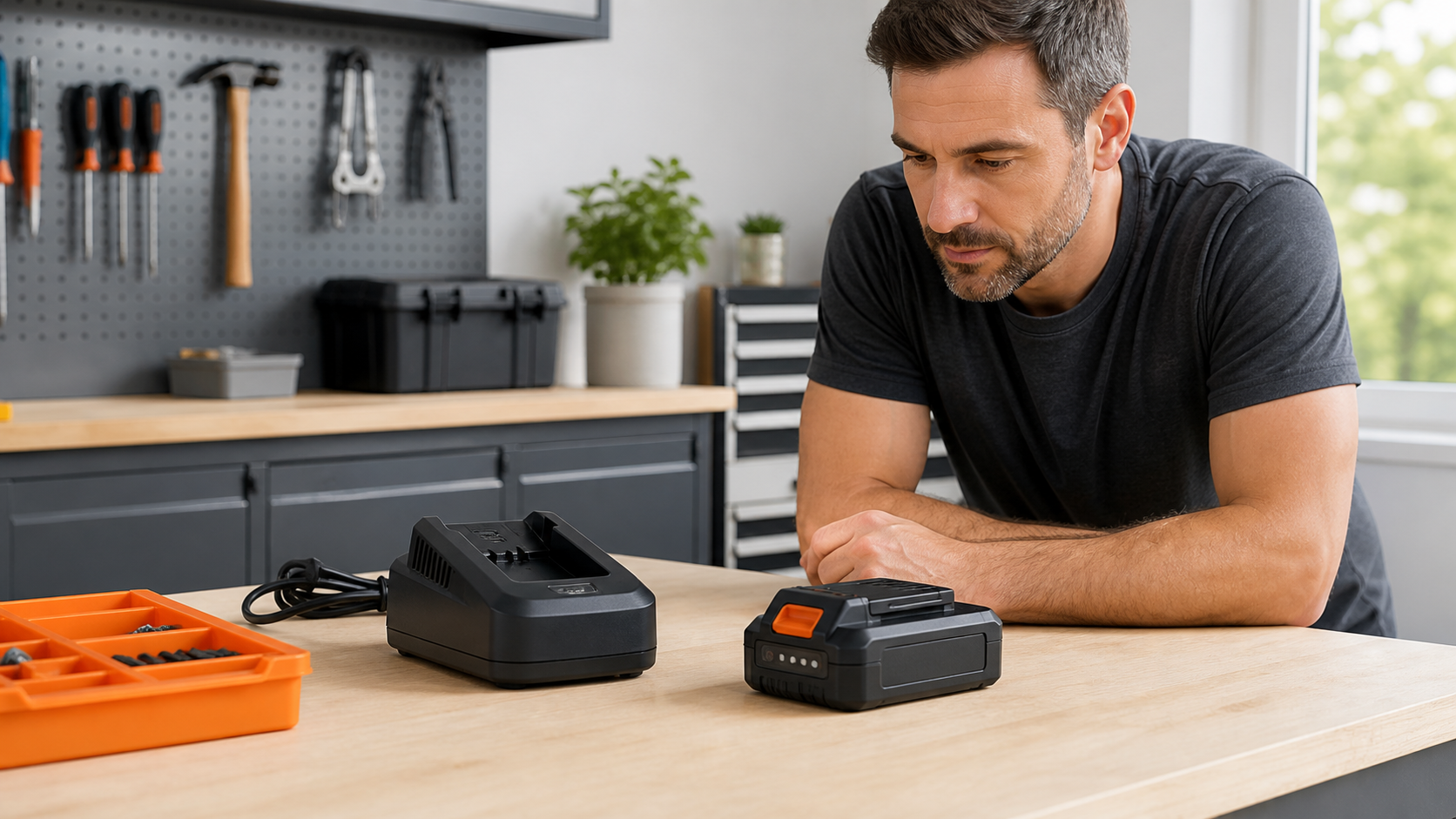
A hot pack after mowing may pause charging without being failed. Match the exact charger and battery labels, let them reach a safe temperature, and use the manual's isolation test.
Read guide

A short periodic chirp is not the same as a repeating smoke alarm pattern. Find the exact unit, read its label, and preserve protection while you troubleshoot.
Read guide
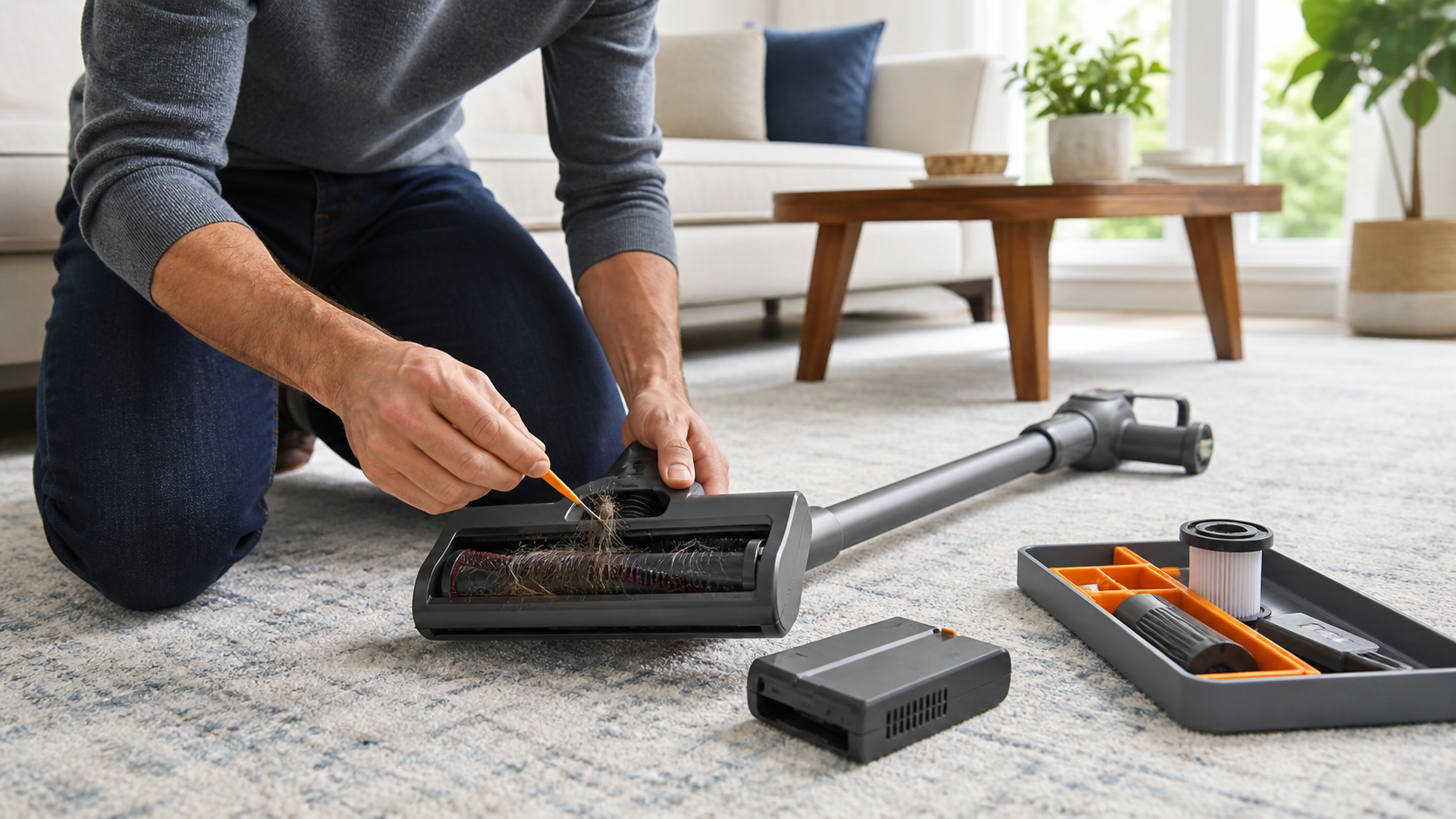
A red nozzle light can point to a blockage, while a dark nozzle light can point to a connection. Isolate power before touching the brushroll.
Read guide
Low flow at one faucet often begins at the aerator or spray screen. Low flow across the home points beyond the faucet and changes who should fix it.
Read guide
A smart deadbolt that works with the door open but binds when the door is closed usually points to alignment, not an app or motor failure.
Read guide
A dark dock or dirty charging contact can look like a dead battery. Verify the power path and contact condition before buying parts.
Read guide
The removable air filter is homeowner maintenance; the high-voltage cabinet and refrigerant system are not. Clean the screen, verify drainage, and know where to stop.
Read guide
A washer cannot enter spin normally if it has not drained. Start with the symptom and model, then work through the safe checks in Samsung’s order.
Read guide
When the wall button works but the handheld remote does not, the comparison narrows the fault. Keep every check away from springs, cables, and live opener wiring.
Read guide
Dust at the grille can restrict airflow, but lingering steam can also point to duct, sizing, or installation problems that surface cleaning cannot solve.
Read guide
This is a recall response, not a charger repair. Stop use, keep the accessible coin cells away from children, and document the exact model before requesting a refund.
Read guide
A blank T6 Pro can reflect batteries or interrupted HVAC power. Identify the exact model, make only external checks, and stop if a breaker trips again.
Read guide
Flash counts vary by model. Record the pattern, remove the safety key and battery, and distinguish a hot or overloaded mower from a blocked blade safely.
Read guide
This is a stop-use warning, not a repair project. CPSC says the 12-ounce kettle can release hot liquid or steam unexpectedly and the importer has not agreed to an acceptable recall.
Read guide
A red suction indicator or weak pickup does not automatically mean a failed motor. Unplug first, then work from the floor setting through the tank and hose path.
Read guide
Pinging water and refrigerant gurgle can be normal; new rattling, grinding, or a shifting cabinet is not. Record when the noise happens before unplugging the unit.
Read guide
Summer humidity can turn a small door-seal gap into heavy frost. Map where the ice begins, protect the food, and never attack it with heat or a sharp tool.
Read guide
Dirty dishes everywhere and one untouched rack point to different causes. Let the machine cool, map the pattern, and use only the maintenance steps in its manual.
Read guide
A small imbalance and a moving ceiling connection are not the same repair. Switch the fan off, stay clear, and keep mounting and wiring work with a qualified electrician.
Read guide
A lopsided load can cause one rough spin. Repeated walking, hard impacts, leaks, or a newly installed front-loader call for a careful setup check—not another high-speed test.
Read guide
Water at the front, rear, or inside of a refrigerator points to different sources. Protect the electrical area first, then inspect only what you can reach without moving the appliance alone.
Read guide
A wrong line diameter, crossed winding, overfilled spool, or mismatched replacement head can stop feeding. The model and head design decide the correct reload method.
Read guide
The recalled spreader bolts can break while the ladder is in use. Stay off the ladder, identify it from a safe position, and use the official model check.
Read guide
The blade can run without the control engaged or continue after release. Do not test the symptom—match the model and serial number with the mower stopped.
Read guide
Ice on a refrigerant line or air-handler cabinet is a stop signal. Restricted airflow may start at a dirty filter, but refrigerant and blower faults need an HVAC pro.
Read guide
Samsung says these codes mean water is not entering correctly. Both supply lines, fully open valves, and the drain-hose setup matter—even on a cold cycle.
Read guide
A restricted water supply, trapped air, dirty inlet screen, or partially clogged nozzle can make pressure surge—often without an internal pump repair.
Read guide
Low pool water, a dry strainer pot, clogged baskets, a loose lid, or a suction-side air leak can interrupt prime. Pressure must be relieved before any lid opens.
Read guide
The recall covers about 554,780 Kobalt yard-tool products tied to USB-C batteries after 34 smoke, spark, or fire reports.
Read guide
A hum usually means the motor has power but the grind mechanism is jammed. Repeated starts can overheat it, so switch it off first.
Read guide
A dirty filter, blocked air gap, disposal connection, or kinked hose can leave water behind without proving the drain pump has failed.
Read guide
The July 30 recall covers BenQ GV31 portable projectors after three overheating reports, including one burn injury.
Read guide
Most useful ice-maker checks happen outside the sealed system: water flow, a 0–5°F freezer, the on/off control, and correct filter installation.
Read guide
A closed adjustable pattern, clogged nozzle filter, settled head, or nearby leak can mimic a pressure problem during peak irrigation season.
Read guide
A June 2026 recall covers 11 Amana through-the-wall and window-room models whose heating element can remain energized during a ground fault.
Read guide
On LG washers, OE indicates a drain problem. A kinked hose, clogged front-load pump filter, or too much detergent may be fixable without opening the cabinet.
Read guide
August begins the Atlantic hurricane season’s peak period. A five-minute dry-area sump-pump test can reveal a blocked float, lost power, or weak discharge before water rises.
Read guide
Before adding fuel or testing a recently purchased Generac GP generator, use the official model-and-serial checker for the 2026 carburetor recall.
Read guide
In humid weather, a full tank, loose drain cap, blocked airflow, or an unlevel portable AC can put condensate on the floor.
Read guide
An empty bucket can mean the room is already below the set humidity—or that the bucket switch, airflow, temperature, or compressor needs attention.
Read guide
Find the failing side, shut off the water, and replace the small seal that is usually behind a steady drip.
Read guide
The honest no-tool fix is damage control: isolate the water, contain the drip, and diagnose the leak before spending money.
Read guide
Start with the safe checks outside the wall: test the device, reset upstream GFCIs, and reset the breaker correctly.
Read guide
A handle leak usually starts at the packing nut; a spout drip usually means the valve stem washer needs attention.
Read guide
Most running toilets come down to a flapper that cannot seal or a fill valve that never receives the signal to stop.
Read guide
Remove the roots while the crack is damp, clear out trapped soil, and seal the opening so the next seed has nowhere easy to grow.
Read guide
Start where dirty water passes first: the filter and drain area. Then clean hidden food traps and run an approved maintenance cycle.
Read guide
Water pooling near your indoor AC unit usually means the condensate drain line is clogged. Turn off the system, find the line, and clear it before damage spreads.
Read guide
Start with the simple checks: confirm the thermostat setting, clean the condenser coils, and verify the door seals before assuming a compressor failure.
Read guide
Summer heat expands metal, shifts sensor alignment, and can trip the opener's thermal cutoff. Start with the photo eyes, then the tracks.
Read guide
Long dry times are often an airflow problem—and restricted dryer airflow is also a fire warning worth taking seriously.
Read guideA guide that adapts to your repair
Show FixMate a photo and get step-by-step guidance, a materials list, and a clear path to a local pro when DIY is not the right call.